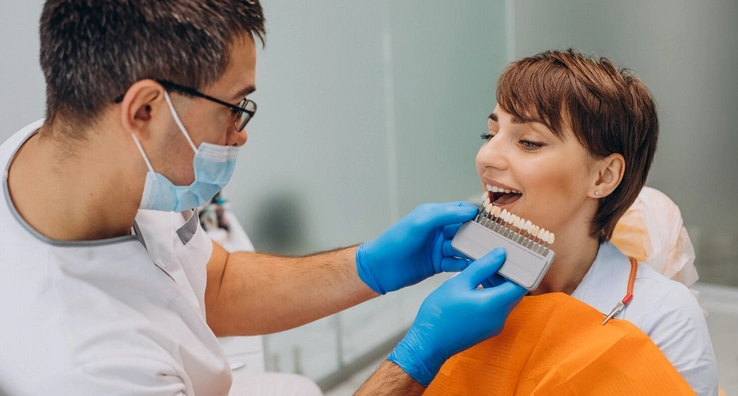
Learn what veneer treatment may feel like, how we support your comfort, and what to expect during recovery.
Veneers can improve the colour, shape, spacing, and symmetry of teeth, but many people hesitate to explore treatment because they are concerned about discomfort.
A common question we hear is: Are veneers painful?
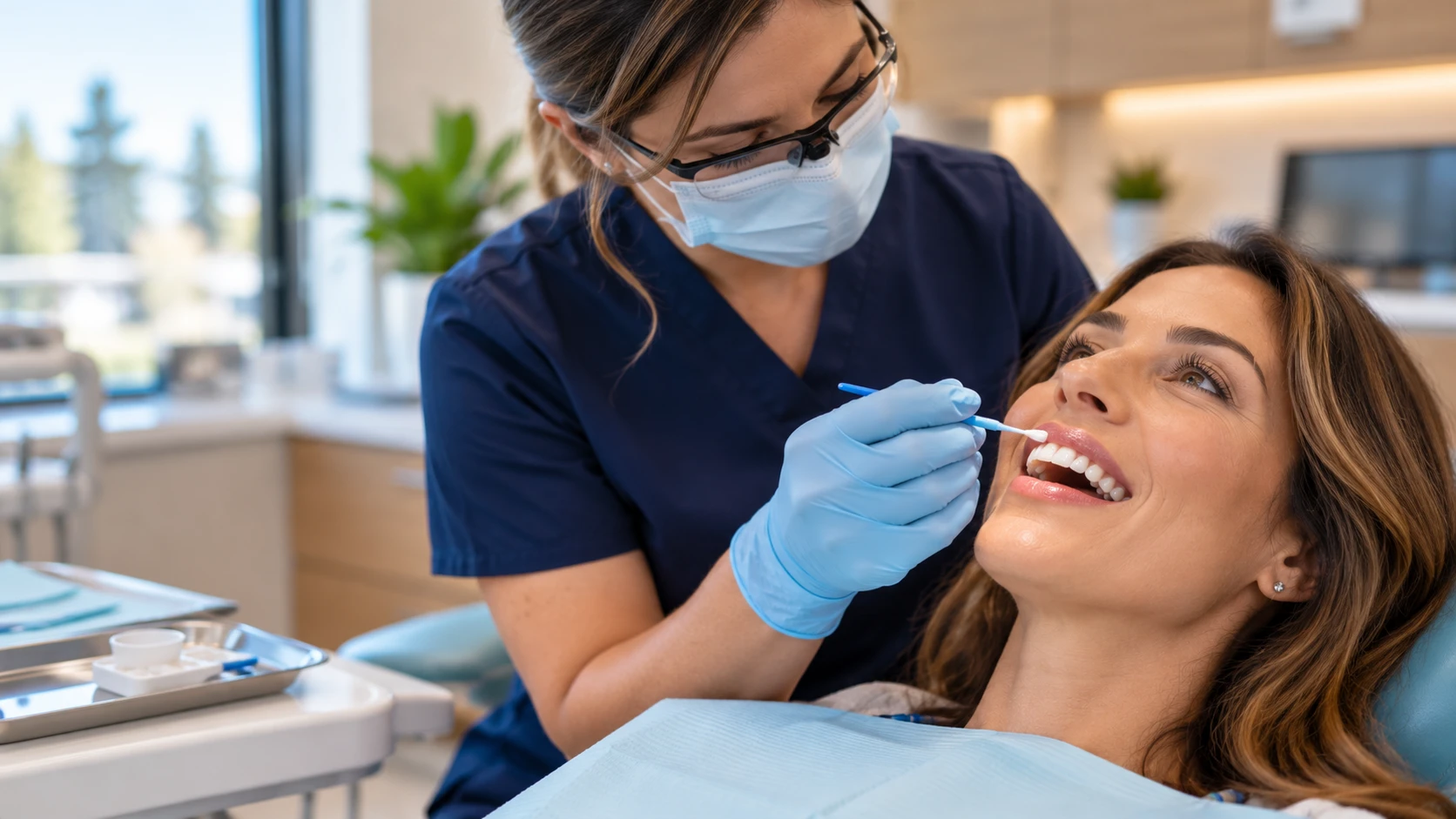
Most people experience little or no pain during veneer treatment because we can use local anesthetic when appropriate and carefully manage each stage of the process. You may notice pressure, vibration, or unfamiliar sensations during preparation. Temporary sensitivity or mild gum tenderness can also occur afterward, but these effects often improve as your mouth adjusts.
Every experience is different. Before recommending veneers, we examine your teeth, review any existing sensitivity, discuss your dental history, and explain what treatment may involve. We want you to understand the process and feel comfortable asking questions before making a decision.
We have provided dental care in Sherwood Park for more than 30 years. Our cosmetic services include veneers, dental bonding, and professional teeth whitening, supported by preventive and restorative care when needed.
Does Getting Veneers Hurt?
The amount of discomfort involved depends on the type of veneer, the condition of your teeth, and how much preparation is required.
Traditional porcelain veneers may require us to remove a thin layer of enamel from the front surface of the teeth. This helps create space for the veneer and allows it to fit naturally within your smile.
When preparation is needed, we can numb the area to help keep you comfortable. You may still feel movement, pressure, or vibration, but sharp pain is not expected when the area is properly anesthetized.
The amount of preparation can vary based on:
- Tooth position
- Enamel thickness
- Existing dental work
- Tooth shape
- Bite alignment
- The type of veneer selected
- The cosmetic changes you want to make
We explain the expected preparation before treatment begins. We also check in throughout the appointment and can pause when needed.
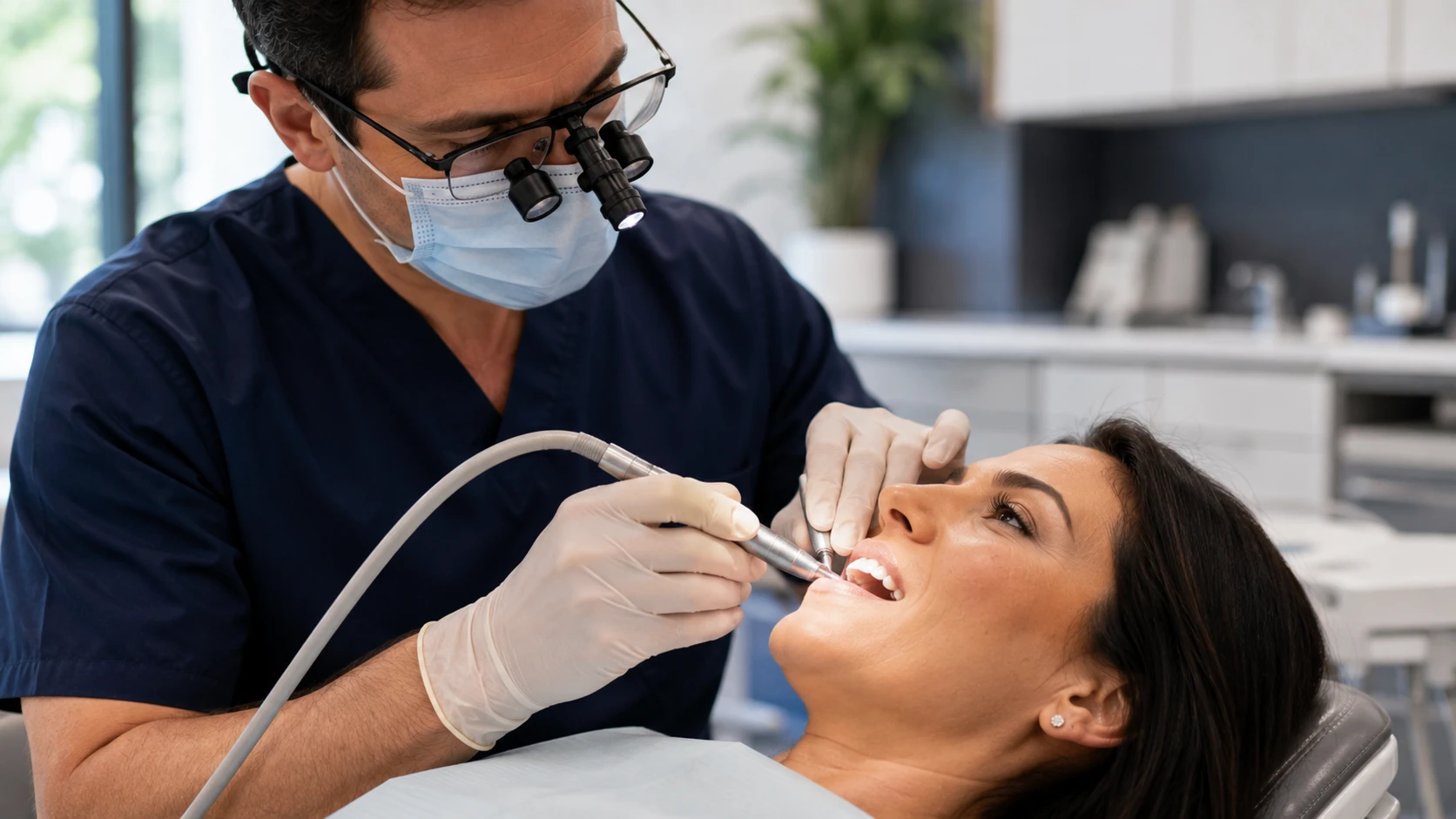
What Happens During Veneer Treatment?
Understanding the process can make treatment feel more predictable.
Consultation and Smile Assessment
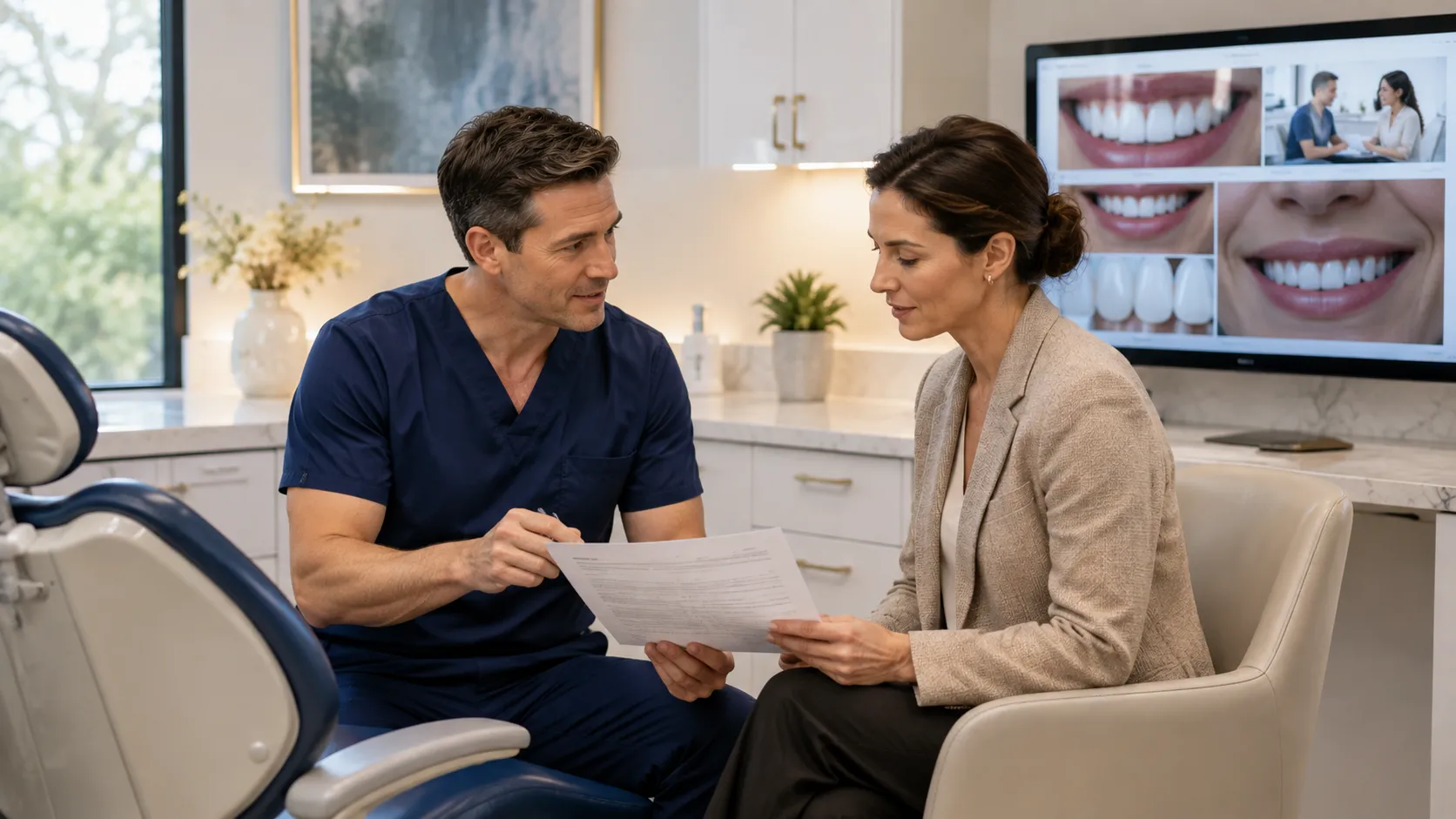
We begin by examining your teeth and gums and discussing what you would like to improve.
We may assess:
- Tooth colour
- Shape and size
- Spacing
- Alignment
- Chips or worn edges
- Existing sensitivity
- Previous restorations
- Gum health
- Your bite
We also discuss whether veneers are suitable or whether bonding, whitening, crowns, or another option may better match your needs.
Personalized Treatment Planning
We review the number of teeth involved, the type of veneer being considered, the likely amount of preparation, and the expected treatment timeline.
This is also the right time to talk about comfort. We can discuss numbing, appointment pacing, breaks, and any previous dental experiences that may affect how you feel about treatment.
Tooth Preparation
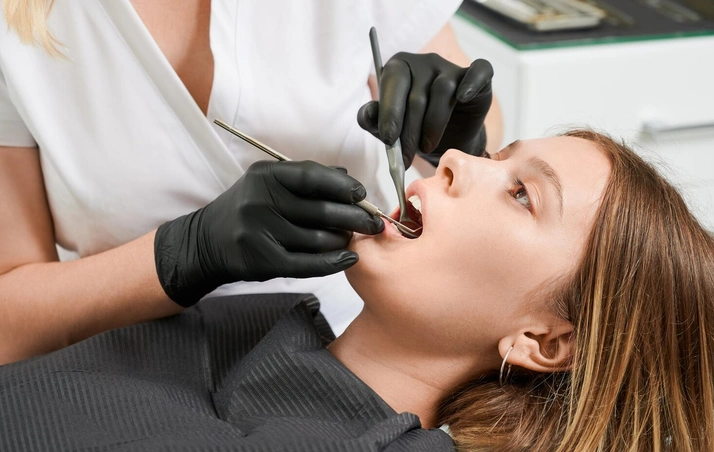
When enamel preparation is required, we carefully reshape the front surface of the tooth.
Local anesthetic may be used to reduce discomfort. Some people mainly notice pressure or vibration, while others feel very little once the area is numb.
Impressions or Digital Records
We take the records needed to plan veneers that fit properly and complement your smile.
Temporary Veneers
Temporary veneers may be placed while the final porcelain veneers are being made. They help protect prepared teeth and allow you to function during the waiting period.
Final Placement
When the final veneers are ready, we check their fit, colour, shape, and appearance before bonding them to the teeth.
We also assess your bite carefully. Small adjustments may be made to improve comfort and ensure the veneers function naturally.
Talk Through Your Comfort Concerns First
We can examine your teeth, review any existing sensitivity, and explain what each stage of veneer treatment may feel like before you decide.
What Do Temporary Veneers Feel Like?
Temporary veneers may feel different from your natural teeth or final restorations.
You may notice:
- A slightly different texture
- Mild sensitivity to hot or cold
- Temporary gum tenderness
- A change in how your bite feels
- Greater awareness of the treated teeth
Temporary veneers are designed to protect prepared teeth while the final veneers are being completed. Because they are temporary, they may not feel as smooth or refined as the finished restorations.
We provide instructions on brushing, flossing, eating, and protecting them. We may also recommend avoiding very hard or sticky foods until the final veneers are placed.
Please contact us when a temporary veneer feels loose, rough, unusually high, or uncomfortable. A small adjustment may improve the fit and protect the prepared tooth.
Is Tooth Sensitivity After Veneers Normal?
Some tooth sensitivity after veneers can be normal, especially when enamel preparation has been completed.
You may temporarily notice sensitivity to:
- Cold drinks
- Hot foods
- Air
- Sweet foods
- Pressure while biting
The gums may also feel mildly tender after preparation or bonding.
Sensitivity should generally become less noticeable as the teeth and surrounding tissues adjust. The timeline varies because every tooth and treatment plan is different.
Existing sensitivity can also affect recovery. When you already have sensitive teeth, we consider the cause and severity before recommending veneers.

Why Can Teeth Feel Sensitive After Veneers?
Sensitivity may occur for several reasons.
Enamel Preparation
Removing a small amount of enamel can temporarily make a tooth more responsive to temperature changes.
Temporary Restorations
Temporary veneers may not insulate the teeth in exactly the same way as final porcelain veneers.
Gum Irritation
The gums may feel tender near the edges of the veneers after treatment.
Bite Changes
A veneer that contacts too heavily when you bite can create pressure or tenderness. We check your bite carefully, but small adjustments may occasionally be needed after you return to normal eating and speaking.
The Bonding Process
The teeth may need time to settle after the final veneers are bonded.
Mild sensitivity does not automatically mean something is wrong. However, discomfort that becomes stronger, affects biting, or does not begin to improve should be assessed.
When Should Sensitivity Be Checked?
Please contact us when you experience:
- Sensitivity that is increasing
- Ongoing pain when biting
- A tooth that feels too high
- A veneer that feels loose
- Significant gum discomfort
- Swelling
- A change in the fit or feel of a veneer
- Symptoms that interfere with normal activities
We would rather assess a concern early than have you wait while feeling uncertain.
Sometimes a simple bite adjustment is enough to improve comfort. In other situations, we may need to examine the veneer, tooth, gums, or surrounding bite more closely.
Already Have Sensitive Teeth?
We can assess your enamel, gums, bite, and current sensitivity before recommending veneers or another cosmetic option.
How We Support Your Comfort
Comfort begins before treatment starts.
We take time to explain the process, answer questions, and understand what makes dental visits difficult for you.
Depending on your needs, we may:
- Explain each stage before proceeding
- Discuss local anesthetic
- Confirm that the area feels numb
- Adjust the pace of the appointment
- Arrange breaks when needed
- Use a clear signal so you can ask us to pause
- Review existing sensitivity
- Check the bite carefully
- Provide detailed aftercare instructions
- Arrange follow-up when appropriate
Our approach centres on clear explanations, personalized planning, natural-looking results, and pressure-free recommendations.

Are Veneers Suitable for People With Dental Anxiety?
Dental anxiety does not automatically prevent you from considering veneers.
The first step is a consultation, not a commitment to treatment. We can discuss what worries you, explain the process, and determine whether veneers are appropriate.
Common concerns include:
- Fear of needles
- Worry about enamel removal
- Sensitivity to sounds or vibration
- Difficulty sitting through longer appointments
- Previous negative dental experiences
- Concern about permanent changes to the teeth
- Fear of discomfort afterward
We address these concerns before creating a treatment plan.
Traditional veneer preparation may be irreversible because enamel does not grow back after it is removed. We explain the amount of preparation involved and compare alternatives when appropriate.
Could Dental Bonding Be a More Conservative Option?
Veneers are not the only way to improve a smile.
Dental bonding may be suitable for:
- Small chips
- Minor gaps
- Uneven edges
- Localized discolouration
- Subtle changes in tooth shape
Bonding uses tooth-coloured resin applied directly to the tooth. In some cases, it may require less preparation than porcelain veneers.
However, bonding and veneers differ in appearance, durability, stain resistance, repairability, maintenance, and the types of changes they can achieve.
We compare the options based on your teeth, desired result, comfort concerns, and long-term expectations. We do not assume that the more extensive treatment is automatically the right choice.
How Can You Make Recovery More Comfortable?
We provide aftercare instructions based on your treatment.
General recommendations may include:
- Following all post-treatment directions
- Avoiding very hot or cold foods while sensitivity is present
- Choosing softer foods when the gums feel tender
- Brushing gently with a soft-bristled toothbrush
- Avoiding biting hard objects with treated teeth
- Wearing a nightguard when recommended
- Contacting us when your bite feels uneven
- Attending follow-up visits
Persistent pain or a major change in how a veneer feels should not be ignored. Early assessment can help us determine whether an adjustment is needed.

Veneer Consultations in Sherwood Park
We provide cosmetic dental consultations for patients in Sherwood Park and welcome patients from nearby communities, including:
- The Meadows
- Capilano
- Gold Bar
- Fulton Place
- Bonnie Doon
- Holyrood
- Strathearn
- Ottewell
- Clareview
- Belmont
- Hairsine
- Sifton Park
- Ardrossan
Our clinic is located at 201-101 Granada Blvd, Sherwood Park, AB T8A 4W2.
Are Veneers Painful? The Answer Depends on the Individual
Most people experience little or no pain during veneer treatment because numbing can be used when appropriate and each stage is planned carefully.
You may notice pressure or vibration during preparation. Temporary sensitivity, gum tenderness, or bite awareness may also occur afterward. These effects often improve, but increasing or persistent discomfort should be checked.
We help you understand:
- Whether veneers are suitable for your teeth
- How much preparation may be needed
- Whether local anesthetic may be used
- What temporary veneers may feel like
- What sensitivity may occur afterward
- When follow-up care may be needed
- Whether bonding or another option may be appropriate
Our goal is not only to improve the appearance of your smile. We also want you to feel informed, comfortable, and confident in your treatment decision.
Plan Your Smile at Your Pace
We can examine your teeth, discuss your cosmetic goals, review existing sensitivity, and explain the veneer process before you decide.
Granada Dental
201-101 Granada Blvd, Sherwood Park, AB T8A 4W2
Phone: (780) 464-6266
Email: granadadental@shaw.ca