
Severe decay has weakened the tooth
There may not be enough healthy tooth structure left to support a filling or crown.
A painful, infected, or badly damaged tooth does not automatically need to be removed.
Careful assessment, clear options, and practical guidance before any extraction decision is made.
When you come to us because you think you may need a tooth pulled near me, we begin by examining the tooth and determining whether it can reasonably be saved.
We use appropriate dental imaging, review your symptoms, and consider restorative options before recommending extraction.
We assess the tooth, surrounding tissue, symptoms, and overall condition.
Dental imaging may help us understand what is happening below the surface.
We review restorative options before recommending removal where appropriate.
We have cared for patients in Sherwood Park for more than 30 years, and we understand that having a tooth removed can feel like a significant decision.
Call (780) 464-6266 if you are in pain or need help determining what to do next.
Whenever it is reasonable to do so, we consider whether the natural tooth can be restored before recommending removal.
Depending on what we find, treatment alternatives may include:
We look at more than the visible part of the tooth. When appropriate, digital X-rays help us evaluate the roots, surrounding bone, nearby teeth, and areas that cannot be assessed by sight alone.
We then explain whether restoring the tooth appears predictable and what may happen if the underlying problem is left untreated. If extraction is recommended, we make sure you understand why before we proceed.
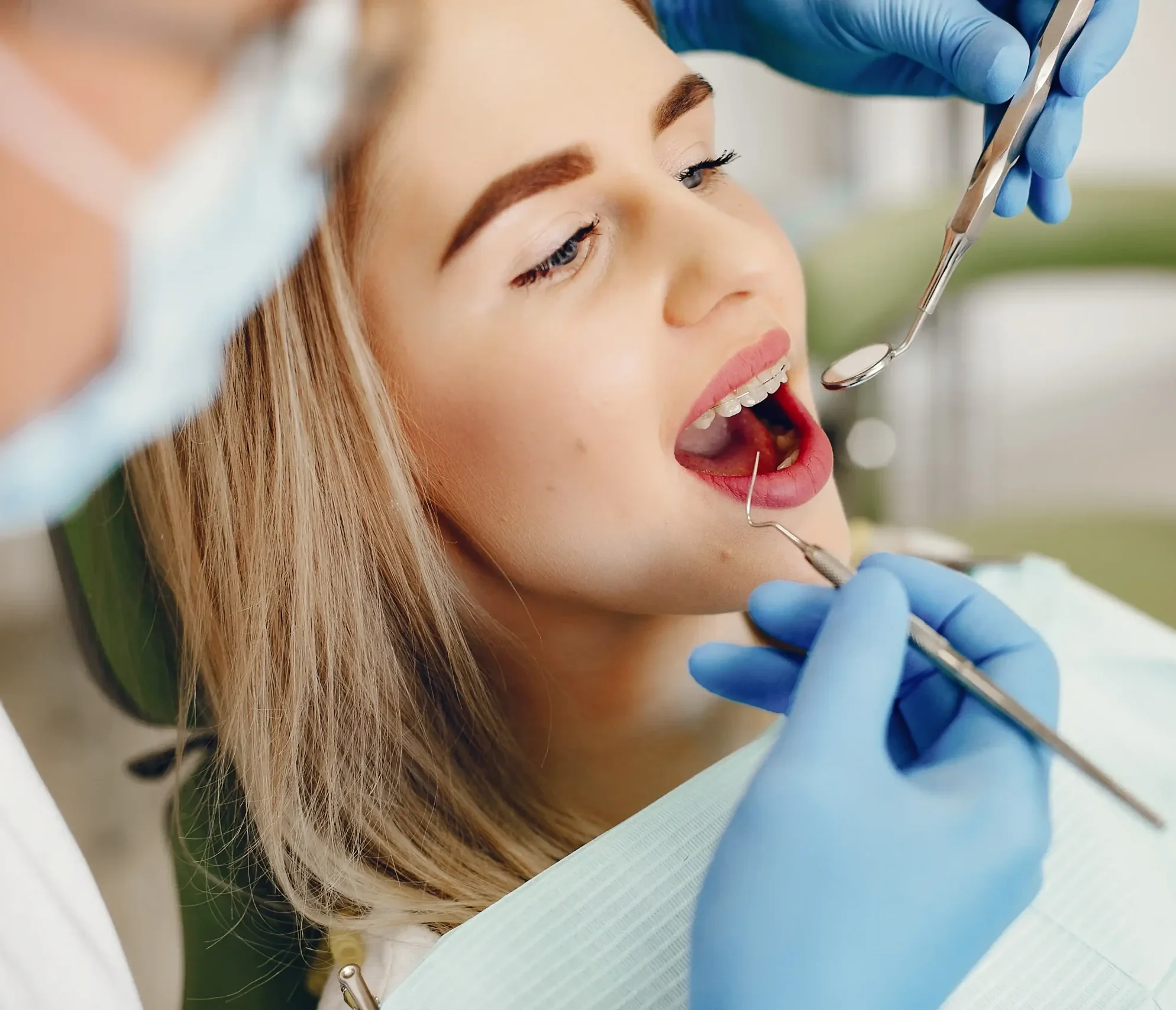
We may recommend extraction when keeping the tooth is no longer a predictable or appropriate option.
One symptom on its own does not automatically mean a tooth needs to be pulled. We consider the condition of the tooth, surrounding support, symptoms, imaging, and whether predictable restorative options remain.
There may not be enough healthy tooth structure left to support a filling or crown.
A crack or break that extends below the gumline can sometimes make restoration difficult or unpredictable.
When infection is extensive and the tooth cannot be restored appropriately, removal may be considered.
Significant bone and periodontal damage can cause an adult tooth to become very loose.
Some teeth may cause repeated infection, pain, damage to neighbouring teeth, or other concerns.
In selected cases, extraction may be considered as part of orthodontic or restorative planning.
We do not assume that one symptom automatically means a tooth should be pulled. We assess the full situation first.
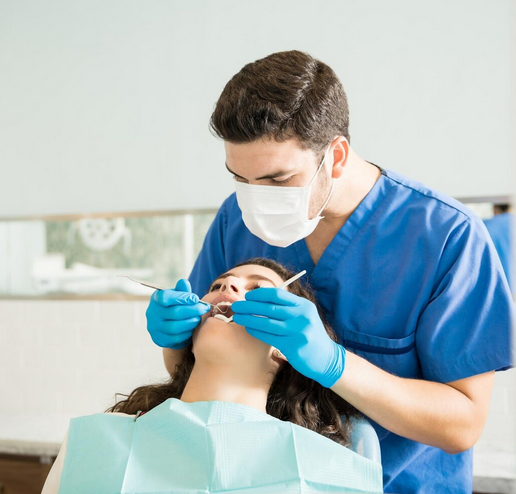
We use local anesthetic to numb the treatment area before an extraction.
Once the area is properly numb, you may still notice pressure, movement, or pulling, but you should let us know if you experience sharp pain or significant discomfort.
We check your comfort before treatment begins and throughout the procedure. If you are anxious, tell us.
We can explain each stage before we proceed, allow appropriate time for numbing, take breaks when needed, and agree on a signal you can use if you want us to pause.
Our goal is to keep you informed and involved throughout your care.
Some dental problems should be assessed quickly, particularly when pain or swelling is getting worse. Call us promptly if you have:
If you are searching for an emergency extraction near me, an urgent appointment does not mean we will automatically remove the tooth. We first identify the source of the problem and determine what treatment is appropriate. We offer urgent and same-day dental appointments when availability allows.
In Pain or Experiencing Swelling?
Call (780) 464-6266 so we can help determine how quickly you should be assessed.
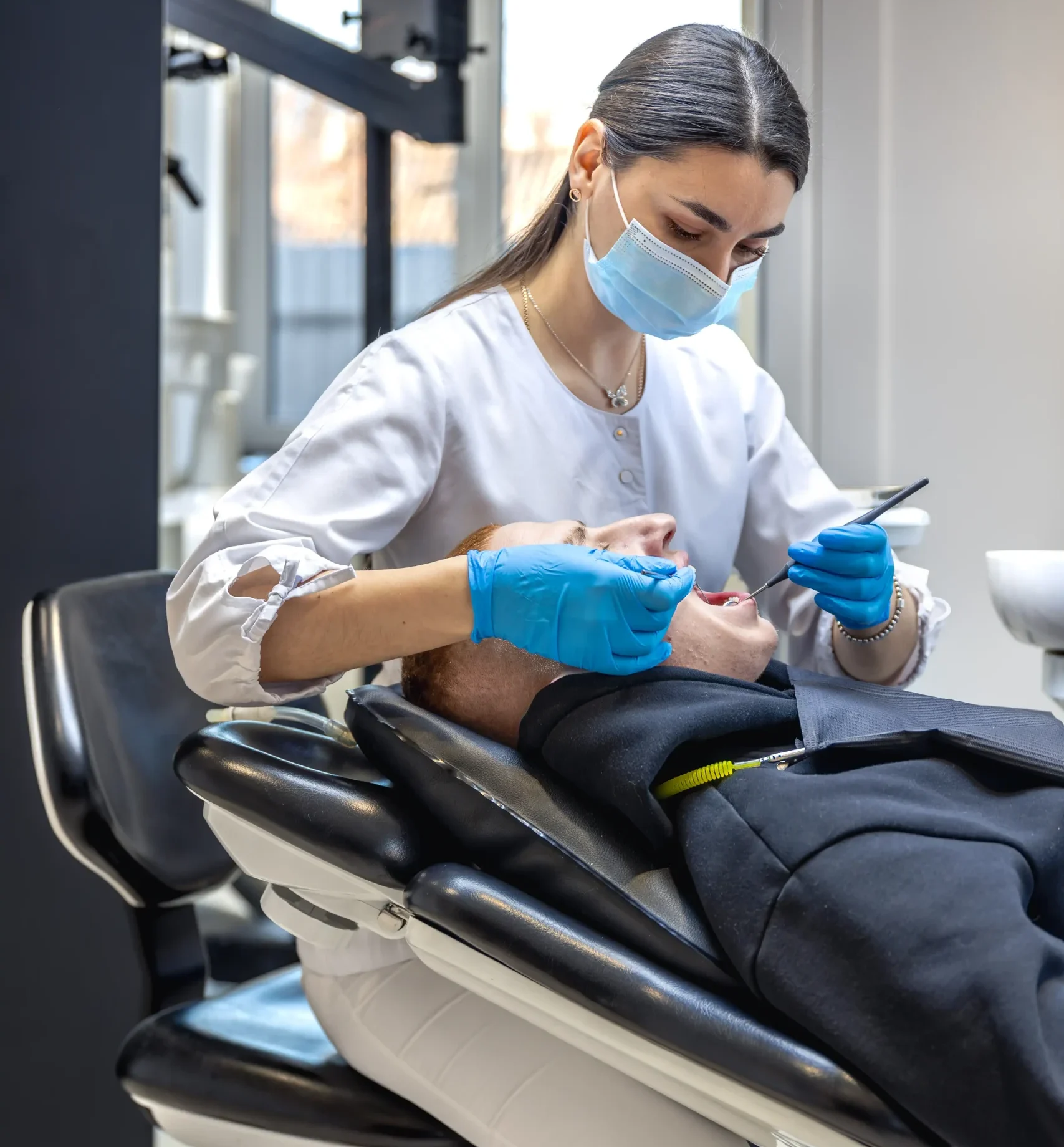
The complexity of an extraction depends on the condition, position, and accessibility of the tooth.
When a tooth is fully erupted and accessible, we may be able to loosen and remove it without a surgical approach.
Additional steps may be necessary when a tooth:
We determine the appropriate approach after examining the tooth and reviewing any necessary imaging.
One of the most common questions we hear is about tooth extraction cost.
There is no single price that applies to every removal because extraction complexity varies.
Your cost may depend on:We explain the expected treatment fee before proceeding whenever possible.
We also offer direct insurance billing where available. Your reimbursement depends on your individual insurance plan, deductibles, limitations, remaining benefits, and covered services.
Rather than guessing based on a generic extraction price, we can examine the tooth and provide information based on the treatment you actually need.
Get Clear Extraction Cost InformationOnce a tooth is removed, a blood clot forms in the socket and supports the early healing process.
We give you aftercare instructions based on your treatment and health history.
Those instructions may include guidance about:Softer foods are often easier to manage during the initial healing period. We may recommend foods that require minimal chewing while avoiding unnecessary pressure on the extraction site.
We start by asking about your symptoms and how long the problem has been present.
A review of your dental and medical history
An examination of the tooth and surrounding tissues
Dental X-rays when appropriate
An assessment of whether the tooth can be restored
A discussion of suitable treatment options
An explanation of extraction complexity if removal is recommended
A review of expected fees and insurance
Preparation and aftercare guidance
Some tenderness and swelling can be expected after an extraction, but symptoms should generally move in the right direction as healing progresses.
Contact us if you experience:
If you are uncertain about something during recovery, we would rather hear from you than have you worry about it at home.

Not every missing tooth requires the same treatment. The right next step depends on your individual oral health, function, and priorities.
Whether we recommend replacing it depends on its location, your bite, surrounding teeth, available bone and gum support, chewing needs, appearance, oral health, and personal priorities.
An implant may replace a missing tooth without relying on neighbouring teeth for support.
A bridge can use neighbouring teeth to support a replacement tooth.
A removable partial denture can replace one or more missing teeth.
In some situations, immediate replacement may not be necessary.
We explain the advantages and limitations of the options that apply to you so you can make an informed decision after the immediate problem has been addressed.
When you are deciding whether to remove a tooth, we believe you should have clear answers before being asked to proceed.
When you visit us, we can provide:
We have provided dental care in Sherwood Park for more than 30 years, giving patients a local clinic for both immediate dental problems and longer-term care.
We provide tooth-extraction assessments from our Sherwood Park clinic and welcome patients from surrounding communities, including:
201-101 Granada Blvd
Sherwood Park, AB T8A 4W2
If you have a painful, damaged, or infected tooth, you do not need to decide on your own whether it should come out.
If it can reasonably be saved, we explain the alternatives. If extraction is appropriate, we explain the procedure, expected cost, comfort measures, recovery, and options for replacing the tooth when necessary.
Assess whether the tooth can be saved
Explain appropriate treatment options
Review cost, comfort, and recovery
Discuss replacement options when necessary
Call or book online to have your painful or damaged tooth assessed.
More time for your smile.
Evening + Saturday appointments
More appointment choices, thoughtfully scheduled around your busy week.