
Can we do tooth decay treatment without drilling?
We clarify when remineralization, fluoride, and sealants can reverse early tooth decay—and when a tiny filling is the smarter fix in Sherwood Park. Our approach blends simple, dependable family dentistry with clear next steps and direct insurance support at Granada Dental.

What actually treats (and prevents) tooth decay
- Very early enamel changes can remineralize with fluoride, saliva, and habit tweaks—no drilling.
- Once a cavity forms, a conservative filling restores strength and stops decay; deeper cases may need root canal + crown.
- To avoid repeat cavities, lean on preventive care: professional fluoride, sealants for molars, scheduled cleanings/exams, and small habit shifts at home.
- We make decisions together, with photos/X-rays and a written estimate (with direct insurance billing where plans allow).
Why this page exists
Understanding tooth decay (in plain language)
Tooth decay starts when acids pull minerals out of enamel. At first, the surface is intact, just de-mineralized—that’s the window where fluoride and saliva can remineralize. If acids keep winning, a hole forms; at that point, the tooth can’t self-repair and needs a restoration. Our job is to identify the stage and match the least invasive option that lasts.
What we check in your exam:
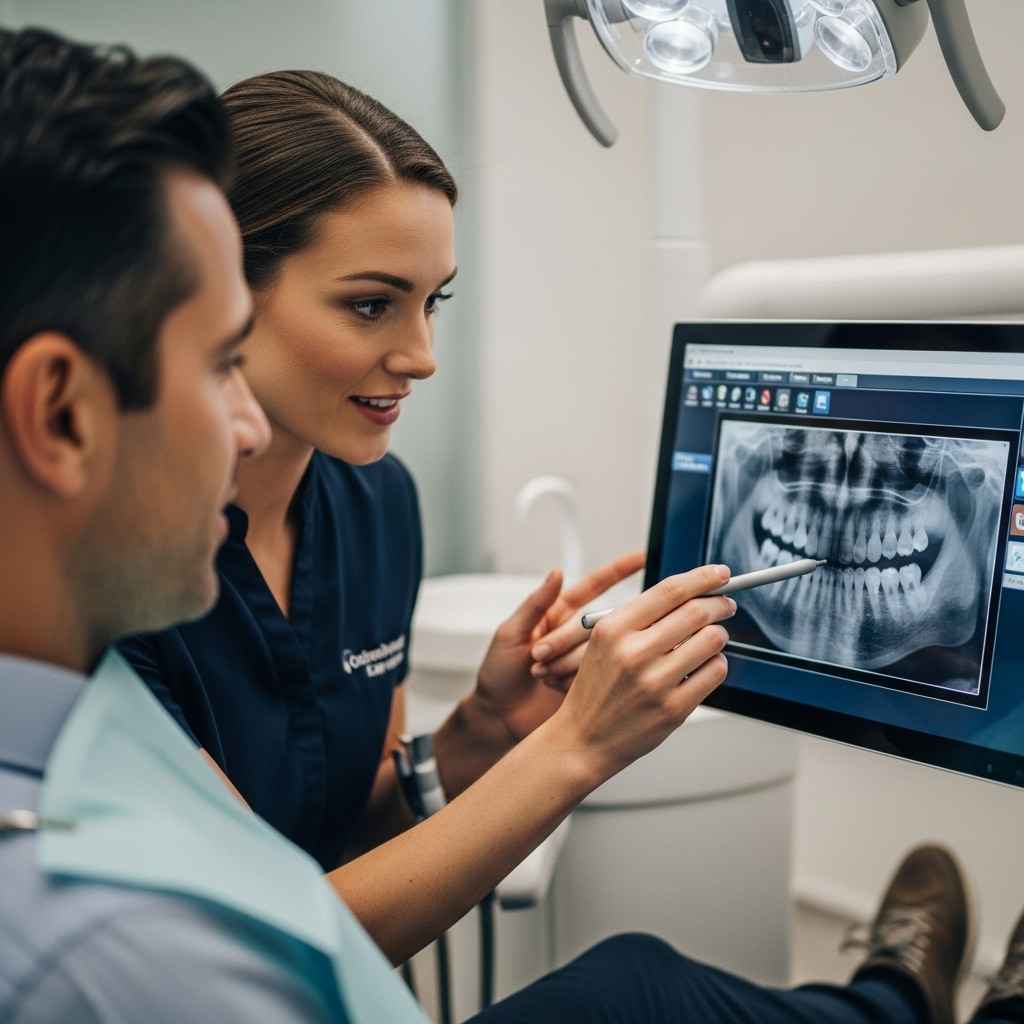
- Stage & depth on X-rays and photos
- Risk factors: diet/snacking, dry-mouth, hygiene habits
- Tooth location & grooves (molars often benefit from sealants)
- Family history / meds that raise risk
This “stage-first” thinking is the backbone of our preventive program and early, small-scale treatment plans.
The stage-by-stage tooth decay treatment roadmap
Goal: Re-mineralize and protect.
Typical plan: professional fluoride (varnish), fluoride toothpaste at home, habit tweaks (snack timing, rinsing after sweets), and sometimes sealants to protect deep grooves in molars—especially for kids. No drilling required.
Goal: stop decay and preserve structure.
Typical plan: conservative filling (tooth-coloured composite). Quick appointment, minimal removal, strong bond.
Goal: reinforce the tooth.
Typical plan: slightly larger filling or onlay; we’ll review pros/cons and how each option manages chewing forces over time.
Goal: save the tooth and relieve symptoms.
Typical plan: root canal therapy to treat the nerve space, followed by a crown to restore full strength. If a tooth is not restorable, we’ll discuss extraction and replacement options.
Throughout, we keep choices pressure-free, explain trade-offs, and align to your family’s preferences.
Cavity prevention that fits family life
- Fluoride toothpaste twice daily and professional fluoride during checkups.
- Dental sealants for kids’ molars (and sometimes adults with deep grooves).
- Regular cleanings & exams to catch early changes and avoid large fixes.
- Snack timing & beverage swaps (fewer “sips and snacks,” more water).
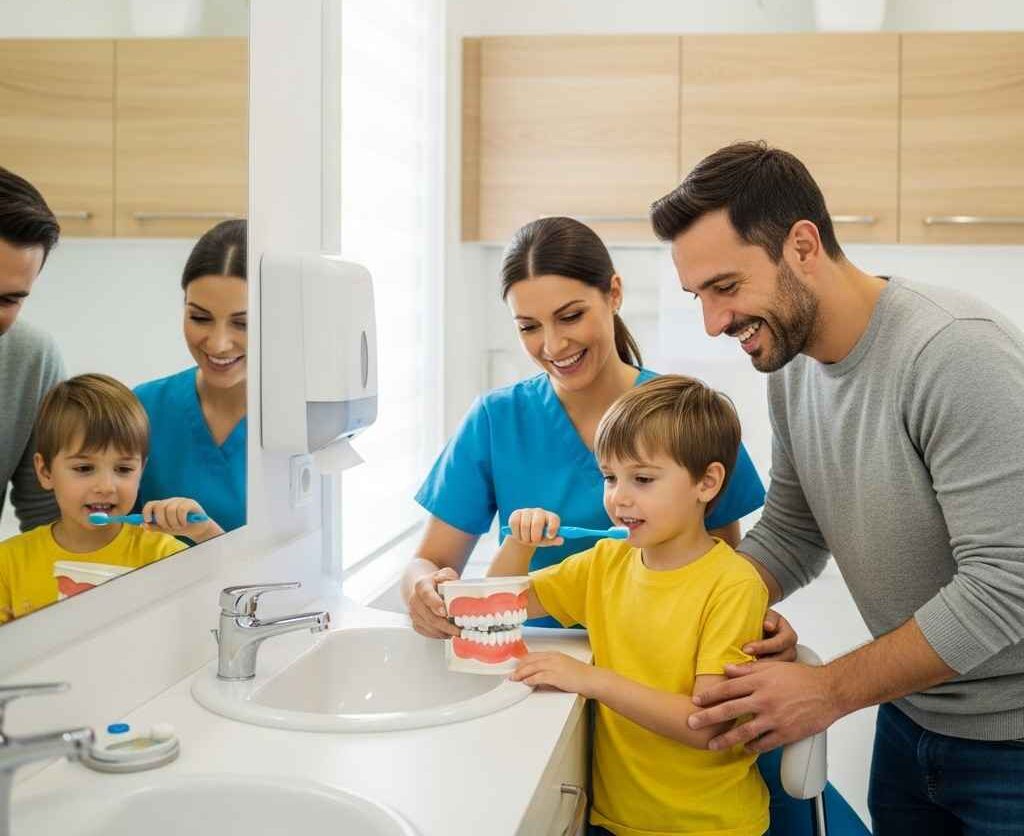
- Hygiene coaching for kids and teens—simple, repeatable routines.
Those prevention steps are standard in our hygiene program and children’s dentistry, and they’re part of the services we deliver every week.
- Dry-mouth strategies if you’re on certain meds
- Sports mouthguards for cavity-prone athletes using sugared drinks/gels
- Nightguard discussion if enamel is wearing from clenching
Our hygienists and dentists keep prevention coaching practical and non-judgmental—the goal is fewer appointments for fixes and more simple checkups.
We respect packed calendars. Here’s what most families see:
- Early enamel changes: 1 visit for exam/varnish; follow-ups at regular cleanings.
- Small filling: often one visit for diagnosis + treatment if time allows.
- Multiple cavities / deep decay: diagnosis visit, then 1–2 treatment visits.
- Root canal + crown: typically two visits after diagnosis.
Because everything’s under one roof—checkups, fillings, crowns—we can sequence treatment to keep days smooth and minimize repeat trips.
Families choose providers on clarity, convenience, and insurance support. Our front desk gives line-item estimates before care, handles direct insurance billing where plans allow, and can stage treatment to match budgets.
How we keep it predictable
- We explain what’s preventable vs. what needs a restoration today.
- We compare small-now vs. bigger-later scenarios, so choices feel informed.
- We outline materials (e.g., composite vs. options for larger restorations) and how that affects durability and fees.
Prevention options like fluoride and sealants are not just clinical—they’re cost-savvy choices that often reduce future treatment needs, especially for kids.
- nversation and quick risk screen (diet, hygiene, medical meds).
- Photos + X-rays focused on areas likely to hide early decay.
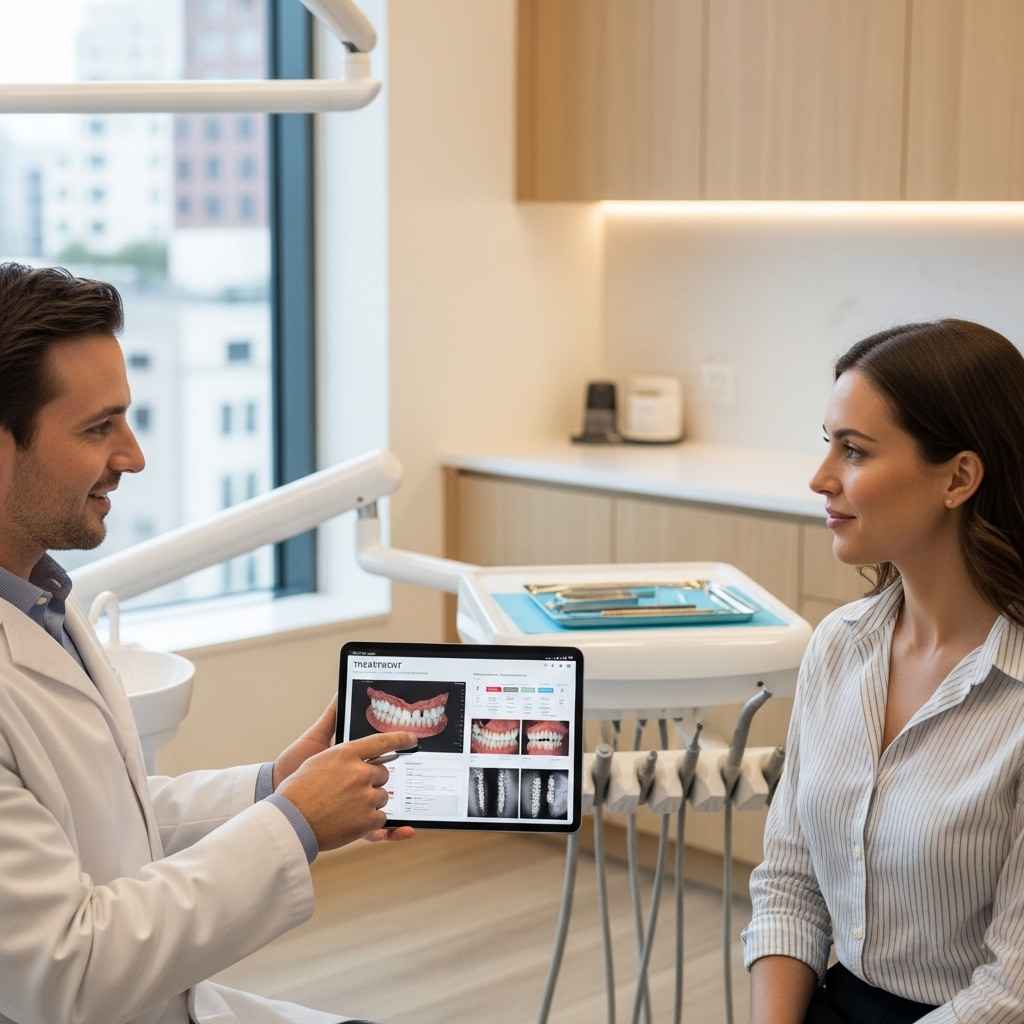
- Tooth-by-tooth review on a chairside screen—what’s healthy, what’s early, what’s a cavity.
- Plan together: prevent vs. restore, with a clear, written estimate.
- Start today when appropriate (varnish, sealant, or a conservative filling).
This visit style reflects our calm, efficient, direct tone and our aim to make care simple rather than stressful.
- Fluoride varnish: quick brush-on; boosts remineralization on early spots.
- Sealants: flowable resin sealing grooves on molars to block food/acid.
- Composite fillings: tooth-coloured, bonded, conservative removal.
- Onlays/crowns: for large/weak areas; restore full function after deep decay.
Technology supports diagnosis and comfort: digital imaging/X-rays, gentle techniques, and a pace that works for kids and anxious patients alike.
We’re embedded in Sherwood Park and welcome families from nearby Edmonton neighbourhoods—The Meadows, Capilano/Gold Bar/Fulton Place, Bonnie Doon/Holyrood/Strathearn/Ottewell, Clareview/Belmont/Hairsine/Sifton Park—as well as Ardrossan, with commuters from Fort Saskatchewan. The research confirms these as priority markets for outreach and SEO.
Granada Dental
201-101 Granada Blvd, Sherwood Park, AB T8A 4W2
(780) 464-6266 · granadadental@shaw.ca.
Weekday hours and same-day options are listed in your research; we’ll align to the hours you confirm for publishing.
FAQs about tooth decay treatment (for families)
Often, yes—early enamel changes can remineralize with fluoride and habit tweaks. If a cavity has formed, a small filling is usually the most conservative, durable fix.
They’re most common for kids’ molars, but adults with deep grooves can benefit too—especially if a tooth traps food.
What if multiple cavities show up at once?
We’ll prioritize by urgency and size, and stage care to fit school/work and budget. You’ll see estimates and insurance details first.
Longevity depends on size, bite, and habits. Our prevention plan (fluoride, hygiene, diet coaching) is what keeps new decay from forming next to a filling.
Yes—children’s dentistry and a stress-free, family-friendly environment are core practice strengths; we also offer gentle techniques and can discuss sedation when appropriate.
Why families choose us for tooth decay treatment
- Simple, dependable family dentistry with clear pricing & insurance help, fast scheduling, and complete services in one location.
- Evidence-based prevention (fluoride, sealants) and conservative restorative care that protects tooth structure.
- Pressure-free guidance—we show your images, explain options, and decide together.
- Convenient local access for Sherwood Park and nearby neighbourhoods.
These are not slogans—they’re the message pillars we operate on every day.
Your next step
Book an assessment and bring your questions. We’ll confirm the stage, outline the least invasive plan that lasts, and provide a written estimate with direct insurance billing where plans allow. Same-day starts are offered when appropriate.
Granada Dental
201-101 Granada Blvd, Sherwood Park, AB T8A 4W2
(780) 464-6266 · granadadental@shaw.ca.