Porcelain vs Composite Veneers Cost Today vs Cost Over Time
See day-one pricing, expected maintenance, and real-world considerations so you can choose with confidence.
Serving: Sherwood Park and nearby SE Edmonton neighborhoods The Meadows, Capilano/Gold Bar/Fulton Place, Bonnie Doon/Holyrood/Strathearn/Ottewell, Clareview/Belmont/Hairsine/Sifton Park, and Ardrossan.
Choosing between materials is easier when you see both the short-term and the long-term picture. This guide explains the porcelain vs composite veneers decision in plain language—what changes on day one, what to expect at year five and beyond, and how we help you match the plan to your goals and budget.
The Quick Answer What’s the Difference Between Porcelain and Composite Veneers?
Both materials refine shape, colour, and symmetry. The differences come down to aesthetics, durability, maintenance, and how the veneer is made.
Porcelain veneers are lab-crafted ceramics designed for lifelike translucency and strong stain resistance. They typically last longer with fewer touch-ups.
Composite veneers use tooth-coloured resin that can be layered in a single visit (direct) or lab-assisted (indirect). They’re conservative and repairable, with more frequent maintenance.
Bottom line: If you want maximum stain resistance and longer service life, porcelain often makes sense. If you prefer a lower day-one cost, a one-visit refresh, or a trial step, composite can be a smart choice.
Translucency and Shade
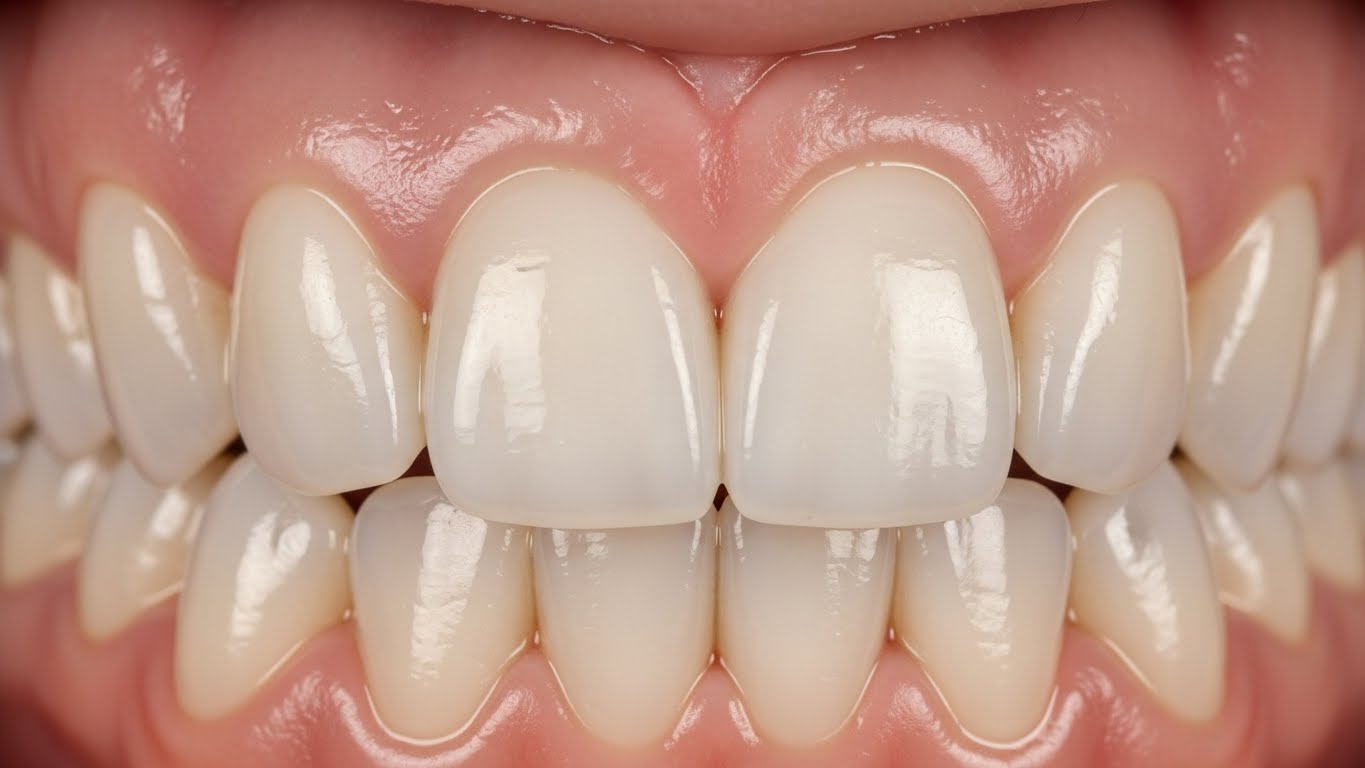
Porcelain is layered to mimic natural enamel—subtle edge translucency and depth.
Composite can look very natural, especially for small changes, but may appear slightly more opaque in broader makeovers.
Surface Texture and “Camera Reality”
Ceramic holds a glassy finish that resists micro-scratches; this helps a smile read as enamel in photos and daylight. The composite's surface can pick up micro-texture over time—polishable during hygiene visits.
Takeaway: Both can look great. For larger color change or “photo-true” detail, porcelain has an advantage; for edge repairs, minor chips, or trial improvements, composite excels.
- Porcelain: Many patients enjoy 10–15+ years with routine care. Small chips may polish; larger fractures may require remake.
- Composite: Expect a 3–7 year refresh cycle depending on habits and diet; easy to polish or repair in-office.
Habits that help both: a night guard if you clench or grind, non-abrasive toothpaste, soft brush, and polish visits to keep surfaces smooth.
Fees vary with material, number of teeth, ceramic/lab selection, and case complexity. Instead of chasing a single number, use this model:
Day-One Considerations
Porcelain: higher initial fee per tooth due to lab craftsmanship and ceramic systems.
Composite: lower initial fee; one-visit direct placement is possible for small changes.
Cost Over Time
Porcelain: fewer refresh visits; replacement cycles are longer.
Composite: plan on polishing and periodic refresh; cumulative maintenance should be part of the decision.
We’ll map per-tooth numbers and 6–8 tooth “smile-zone” scenarios for both materials, and—if helpful—illustrate monthly payments or phased treatment (treat the most visible teeth first).
Patients often ask whether veneers “damage teeth.” Here’s the balanced view:
Porcelain: often requires minimal enamel contouring to create space for ceramic and ideal edges. In select cases, no-prep/minimal-prep designs are possible when there’s natural space and a favorable bite.
Composite: can be placed with little to no drilling for many tweaks; it’s also reversible in the sense that it can be removed and the tooth polished, though any prior reshaping remains.
Our approach is enamel-first. If no-prep or minimal-prep is realistic, we’ll explain why; if a specific tooth needs a different solution (e.g., a crown for strength), we’ll say so.
Porcelain is often preferred for…
Larger colour change or masking deep discoloration
Smile-wide symmetry work (length, proportion, width)
High stain exposure (coffee/tea/wine) where color stability matters
Composite is often chosen for…
Small chips and edge wear repairs
Minor spacing or shape refinement
Budget-friendly refresh or a trial step before porcelain
Sometimes the smartest plan is hybrid: porcelain for the most visible teeth, composite where change is minimal.
A Side-by-Side Snapshot (Save/Print This)
Porcelain: layered translucency, highly stain-resistant
Composite: natural for small changes; more maintenance for long spans
Porcelain: longer lifespan with routine care
Composite: shorter refresh cycle, easy in-office repairs
Porcelain: minimal to create ideal contours (no-prep when suitable)
Composite: often no drilling, additive
Porcelain: higher day-one, lower maintenance cadence
Composite: lower day-one, more frequent refresh
Porcelain: bigger color change, photo-true detail, long-term stability
Composite: small tweaks, trial run, budget-first plans
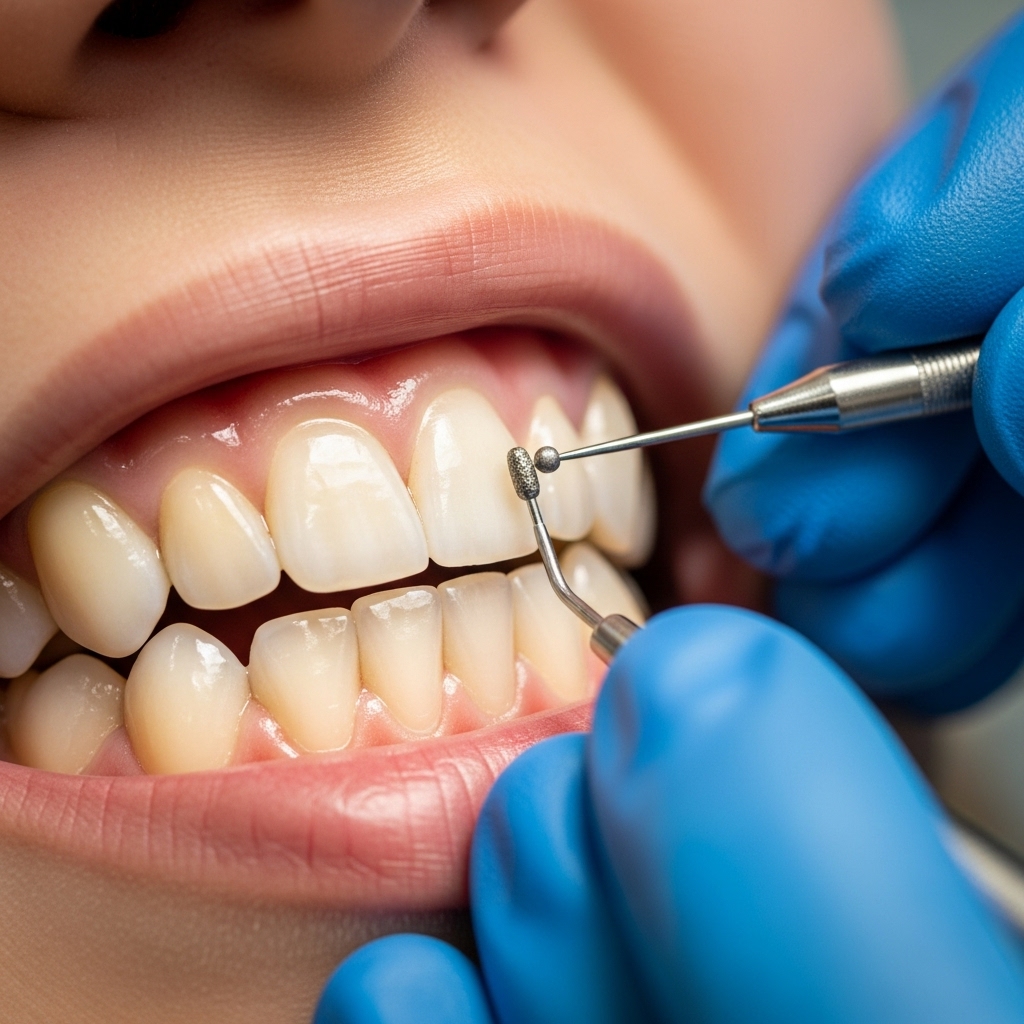
Face-Guided Design
We design tooth length and contour relative to your lip line, eyes, and facial symmetry so changes read as you—refined.
Shade Selection That Mimics Enamel
We match brightness and translucency to skin tone and lip line. If whitening is part of your plan, we complete it before final shade choices.
Preview Before You Commit
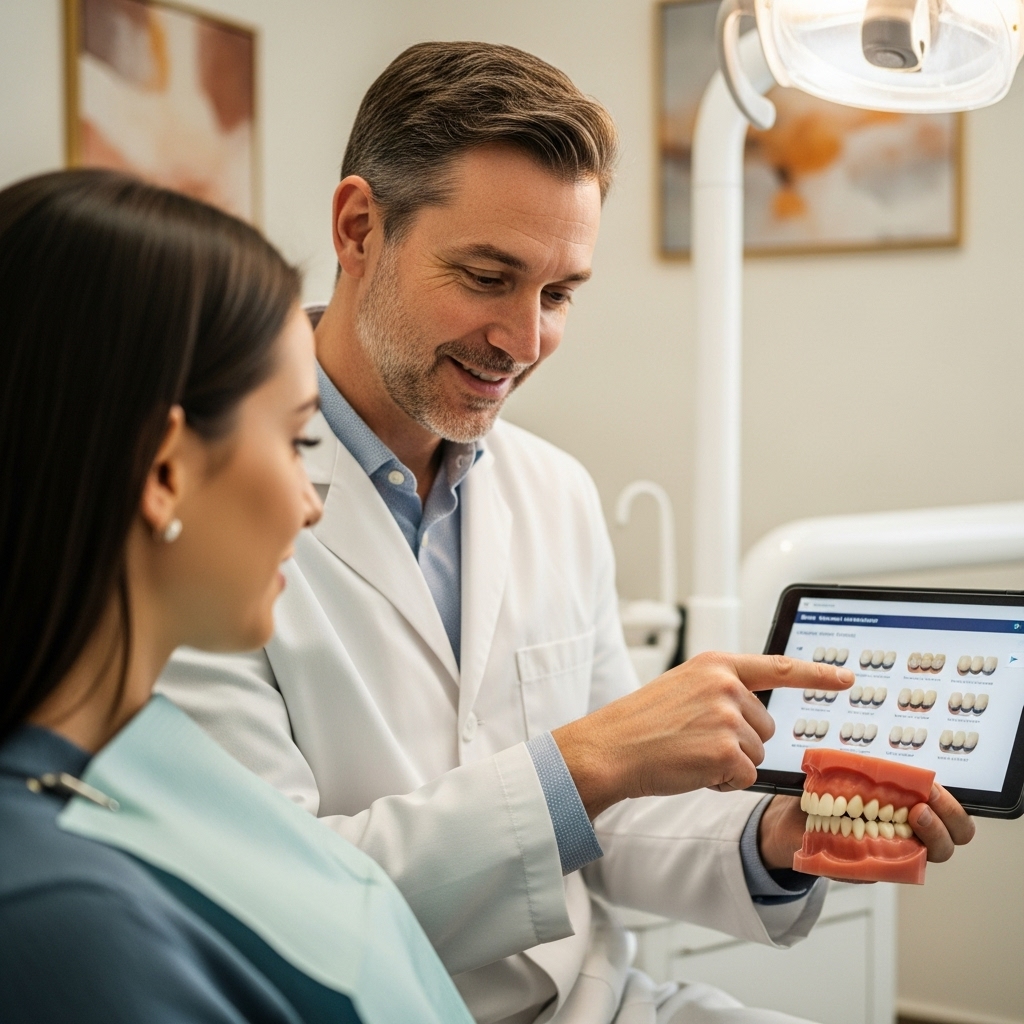
You’ll see a digital simulation, model mock-up, or in-mouth try-in so we can fine-tune shape, length, and shade together.
This preview process is the foundation for a natural result—whether you choose porcelain or composite.
Composite can look excellent long term when polished periodically and protected with a night guard if you clench. Expect some refresh work (edge polish, surface re-glossing, or localized touch-ups). If you start with composite and later decide you want porcelain’s stain resistance and longevity, we’ll plan a seamless upgrade.
We recommend reviewing two kinds of visuals:
Baefore/After sets for cases like yours—chips, spaces, wear, or color change.
A temporary/preview photo of your plan before final treatment. This is where confidence comes from.
Bring screenshots or inspiration photos to your consultation—we’ll map realistic outcomes and limits for each material.
Phased treatment: Start with the smile zone; add later.
Hybrid approach: Porcelain on the most visible teeth; composite where changes are minor.
Monthly payments: We’ll convert totals into clear monthly examples (common terms are 12–24 months).
Whitening-first: Brighten first, then match whichever material you choose—often reduces how many veneers you need.
We’ll provide a written plan listing per-tooth pricing, inclusions (temporaries, follow-ups), and maintenance expectations so you can compare apples to apples.
FAQs Straight Answers
Both can look natural. Porcelain has an edge for edge translucency and long-term surface gloss.
We plan conservatively. Composite is often additive; porcelain may require minimal contouring for space and fit. We explain prep before any permanent step.
Yes. That’s the purpose of mock-ups and try-ins. You’ll give feedback on length, shape, and shade before finalizing.
We’ll build protection into your plan—night guard, bite checks, and routine polish visits.
Not at all. Many patients keep composite for years with periodic polishing. It’s simply higher-maintenance than porcelain.
Local Notes Easy for Sherwood Park & SE Edmonton
Our clinic is convenient to Sherwood Park and the surrounding neighborhoods: The Meadows, Capilano/Gold Bar/Fulton Place, Bonnie Doon/Holyrood/Strathearn/Ottewell, Clareview/Belmont/Hairsine/Sifton Park, and Ardrossan. Ask us for parking tips and the best times to avoid Granada Blvd traffic.
Why Patients Choose Granada Dental for Veneers
Natural-first design: Face-guided planning that keeps results authentic, not obvious.
Conservative technique: Enamel-first mindset; no-prep/minimal-prep when it’s truly suitable.
Clarity at every step: Preview, transparent ranges, and cost-over-time guidance.
Flexible paths: Phasing, hybrid plans, and monthly payments tailored to your goals.
Local follow-through: Hygiene, polish visits, and bite checks to protect your investment.